caterpillar support
About Our Caterpillar Support Program
Our Caterpillar Support Program provides guidance and practical assistance to help people support butterfly and moth caterpillars using current, science-based best practices.
Research indicates that caterpillars are generally best supported by developing naturally on their host plants with minimal human intervention. In most cases, the best way to help is by providing abundant host plants and allowing caterpillars to complete their life cycle outdoors.
If your caterpillars are at risk of running out of host plant, contact us before they exhaust their food supply. Depending on the situation and availability, we may be able to:
• Adopt your caterpillars by relocating them to our host plants so they can continue developing outdoors.
• Provide a short-term rearing kit with fresh native host plant leaves and a rearing container. Caterpillars typically remain in captivity for no more than three days before pupating, then complete their development in the enclosure until they emerge as healthy adult butterflies ready for release.
Our goal is always to recommend the approach that best supports the health and survival of both individual caterpillars and the species as a whole.
Species We've Raised
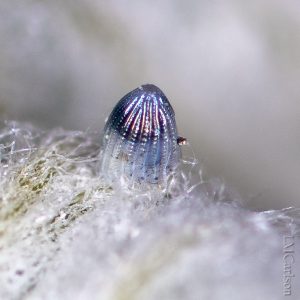
We have hand raised 30 different species of Leps collected from our yard. We have identified over 25 different species of host plant within our backyard habitat. For educational and outreach purposes, we hand raise a variety of Swallowtail caterpillars. We also hand raise Monarchs to provide support to their declining population. All other species we typically allow them to go through their life cycle on their own or provide limited intervention as we’ve learned that they know exactly what to do.
© 2026 Backyard Butterflies
Made with ❤ with Elementor
Made with ❤ with Elementor